Filed under Job Application Letters
10 Job Application Letter Mistakes to Avoid
A friendly checklist of the biggest cover letter red flags and exactly how to fix them, from repeating your resume to sounding stiff, vague, or careless.
A job application letter (your cover letter) is a tiny page with a big job: it has to sound like a real person, match the role, and make a hiring manager want to meet you. Here are 10 common mistakes that quietly sink strong candidates, plus simple fixes you can use today.

1) Repeating your resume word for word
Why it hurts: A cover letter is not a spoken version of your bullet points. If you echo the resume, you miss the chance to explain meaning, impact, and fit.
Fix it: Pick one to three resume highlights and add context: the problem, what you did, and the result.
- Instead of: “Managed scheduling, reporting, and customer emails.”
- Try: “In my last role, I streamlined scheduling and reporting so the team could respond to customer requests within 24 hours, even during peak weeks.”
2) Making it generic
Why it hurts: A letter that has a “To whom it may concern” feel is easy to spot. Generic letters read like copy-and-paste, which makes it harder to trust the rest.
Fix it: Tailor three places, every time:
- The first paragraph: name the role and include a specific reason you are interested.
- The middle: mirror 2 key needs from the job posting (skills, tools, responsibilities) and match them to your experience.
- The closing: reference how you can help this team or this goal.
If you cannot find a hiring manager’s name, use a respectful alternative. This guide can help: How to Address a Cover Letter Without a Name.
3) Opening with a standard line
Why it hurts: Extremely stiff wording can sound robotic, and a tired opener wastes your best space on the page.
Fix it: Use a warm, direct opener that connects you to the role. (And match the tone to the industry. Creative roles can handle more personality, while corporate roles usually call for a cleaner, more formal style.)
- “I’m excited to apply for the Customer Support Specialist role because I enjoy solving messy problems quickly and kindly.”
- “I’m applying for the Marketing Coordinator role with a focus on content production and project coordination.”
4) Being vague about what you did
Why it hurts: Phrases like “assisted with,” “helped,” or “responsible for” hide your contribution. Hiring managers want to know what you owned.
Fix it: Use crisp action verbs and add one concrete detail (scope, frequency, tool, or outcome).
- Vague: “Helped with reports.”
- Clear: “Built weekly KPI reports in Excel for a 12-person sales team and flagged trends that improved follow-up timing.”
5) Overloading the letter with “I” statements
Why it hurts: A cover letter should be about fit and value, not just your biography. Too many “I” sentences can sound self-centered even when you do not mean it that way.
Fix it: Balance “I” with “you” and “the team.” Show how your skills solve their needs.
- Swap “I have strong attention to detail” for “Your team will get accurate, audit-ready work because I double-check entries against source documents and spot inconsistencies early.”
6) Using buzzwords instead of proof
Why it hurts: “Hardworking,” “team player,” and “self-starter” are not bad traits. They are just hard to believe without evidence.
Fix it: Keep one short trait, then back it up with an example.
- “I’m proactive about communication. For example, I send a brief weekly status note to stakeholders so surprises do not pile up at the end of a project.”
7) Ignoring the employer’s keywords
Why it hurts: Some recruiters and hiring teams skim for role-specific terms. If your letter never mentions what they asked for, it can feel like a mismatch.
Fix it: Pull 5 to 8 keywords from the posting and naturally use the most relevant ones in your middle paragraph (do not stuff them). Also, only claim what you can back up. If you are still learning a tool, be honest and position it accurately (for example, “working knowledge” plus a quick example of how you used it).

8) Handling gaps awkwardly
Why it hurts: A confusing timeline can distract from your strengths. At the same time, oversharing personal details can make things uncomfortable.
Fix it: Be brief, confident, and forward-looking. One to two sentences is usually enough.
- “After a planned career break, I’m returning to full-time work and I’m especially interested in roles that combine customer communication and scheduling.”
For more wording ideas, visit: How to Explain an Employment Gap in Your Job Application Letter.
9) Making it too long
Why it hurts: Walls of text are tough to skim. A cover letter should feel easy to read quickly.
Fix it: Aim for 3 to 5 short paragraphs, with breathing room. If you are over one page, cut:
- Extra history that is not relevant to the job
- Duplicate content already on your resume
- Long lists of traits without examples
10) Careless errors
Why it hurts: A single wrong company name signals rushed work, even if you are otherwise a great fit.
Fix it: Do a final “slow read” checklist before you send:
- Company name and role title match the posting
- Hiring manager name spelled correctly (if used)
- Consistent tense and clean punctuation
- Your contact info matches your resume
- File name looks professional (example: FirstLast_CoverLetter.pdf)
One more quick check: make sure your letter is easy to read on a phone. If you attach a PDF, keep formatting clean and avoid tiny fonts. If you paste it into an email, preserve spacing and keep paragraphs short.
If you are applying by email, formatting matters too. See: How to Format a Job Application Email.
A quick “green flag” structure
If you want a simple path that avoids most mistakes above, use this flow:
- Opener: Role + genuine interest + 1 relevant strength
- Proof paragraph: 1 to 2 examples tied to the job’s top needs
- Fit paragraph: Why this team or company, in specific terms
- Close: Polite confidence + request for interview
Need examples you can borrow and adapt? Browse the Job Application Letters collection.
The short version
- Do not repeat your resume. Add context, impact, and fit.
- Tailor the letter. Customize the opener, 2 key needs, and the closing.
- Skip stiff, robotic lines. Sound warm and direct.
- Replace vague phrases with specifics. Use action verbs plus scope, tools, or results.
- Balance “I” with value. Show how your skills help the team.
- Trade buzzwords for evidence. One trait plus a quick example beats a list.
- Use the employer’s keywords naturally. Especially skills, tools, and responsibilities.
- Handle gaps briefly. One to two confident sentences, forward-looking.
- Keep it skimmable. 3 to 5 short paragraphs, under one page.
- Final proofread is mandatory. Correct company name, role title, names, typos, and file name.
 Written by JotPublished
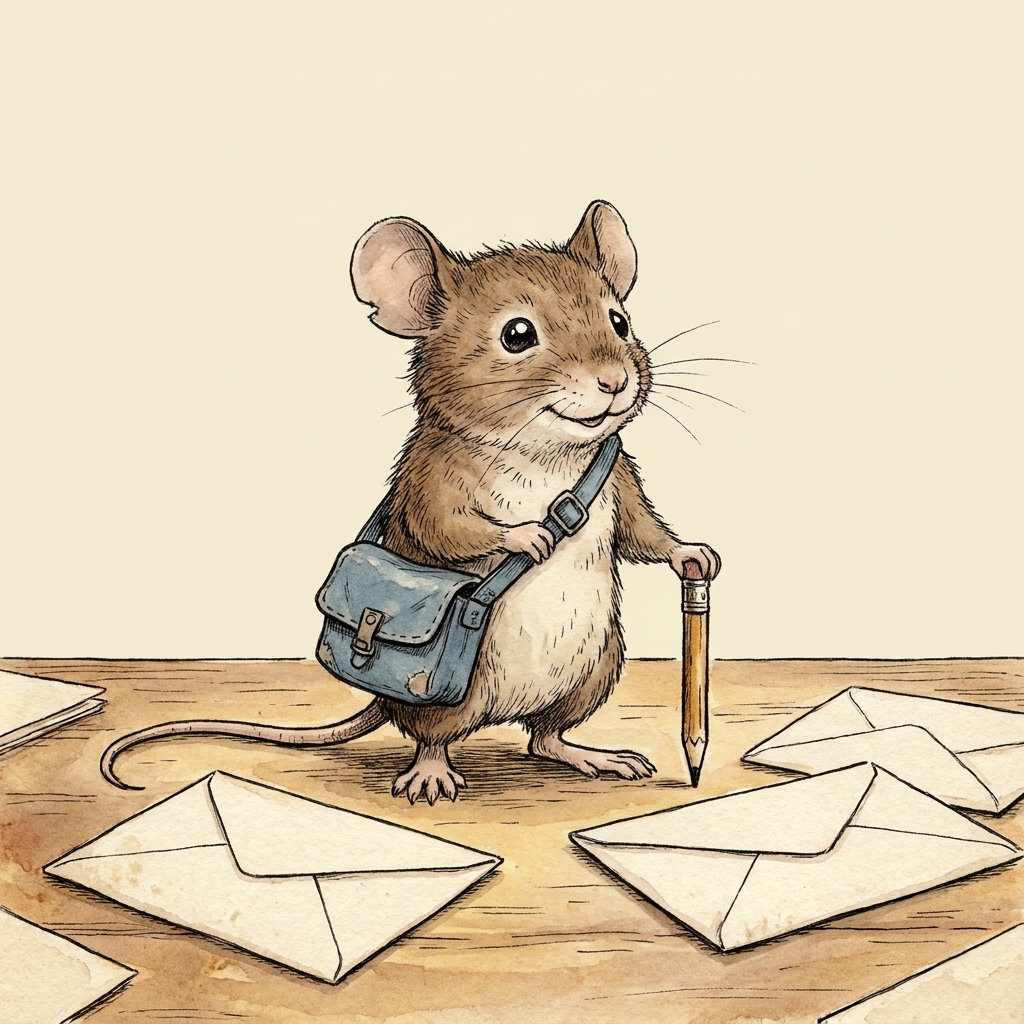
Jot is the pencil-carrying mouse drawn for Letter Samples. Newer guides go out under Jot's name. Jot isn't a lawyer, a recruiter or an HR department, so check anything formal against your employer's policy or local law. Who is Jot?