Sample letters you can copy, change and send
More than eight hundred letters for work, money, family and neighbours: complaints, thank-yous, resignations, references, invitations. Most have bracketed parts to fill in with your own details.
Letter files
- Business LettersOrders, credit, collections, proposals and replies to customers
- Sample LettersGeneral-purpose letters that did not fit anywhere else
- Invitations & AnnouncementsParties, openings, moves, births and retirements
- Thank You LettersFor gifts, interviews, help, referrals and business
- Complaints & ApologiesNeighbours, landlords, products, service and saying sorry
- Job Application LettersCover letters, follow-ups, acceptances and turning offers down
- Personal LettersFamily, friends, condolences and congratulations
- Workplace LettersRaises, leave, warnings and notes to a manager
- Recommendation LettersReferences for employees, students and tenants
- Resignation LettersLeaving on good terms, with or without notice
- Resumes & Cover LettersNewer guides to applying for work
Recently added

Requesting a Job Title Change (Email Templates Included)
A job title might feel like a small line on an org chart, but it can affect everything from how coworkers route work to how recruiters read your resume. The good news is that a formal request for a title change can be calm, factual, and surprisingly straightforward when you frame it around business...
Read more →
Sabbatical Proposal Letter to Your Employer
A sabbatical or career pause request is most likely to be approved when it reads less like a wish and more like a tidy, thoughtful plan. Your goal is to make it easy for your employer to say yes by answering the questions they will immediately have: When are you gone, what happens to your work ,...
Read more →
Farewell Networking Email for Internships and Contracts
A farewell networking email is a small message with a big job: it says thank you, marks your last day, and makes it easy for good coworkers to stay in your professional world long after the internship or contract ends. When you leave a short-term role, people often remember you by your last...
Read more →
Pitch Letter for a Created Role or Unadvertised Promotion
Proposing a created role or an unadvertised promotion is a little like setting out a tidy picnic blanket before you invite anyone over. If you make it easy for your manager to see the value, the risk, and the next steps, you are no longer asking for a favor. You are presenting a solution. A...
Read more →
Reconnection Email to a Former Colleague
Reaching back out to a former colleague can feel surprisingly big. A reconnection email works best when it reads like a real hello, not a transaction. Your goal is simple: remind them who you are, share a genuine update, and make one small, easy request. Even a short note can do a lot of quiet work...
Read more →
Annual Self-Evaluation Examples
An annual self-evaluation can feel a little awkward, but it is also a rare chance to put your best work into neat, easy-to-remember sentences. The secret is simple: focus on impact, use clear proof, and connect your results to what your team needs next. Your manager is likely collecting input from...
Read more →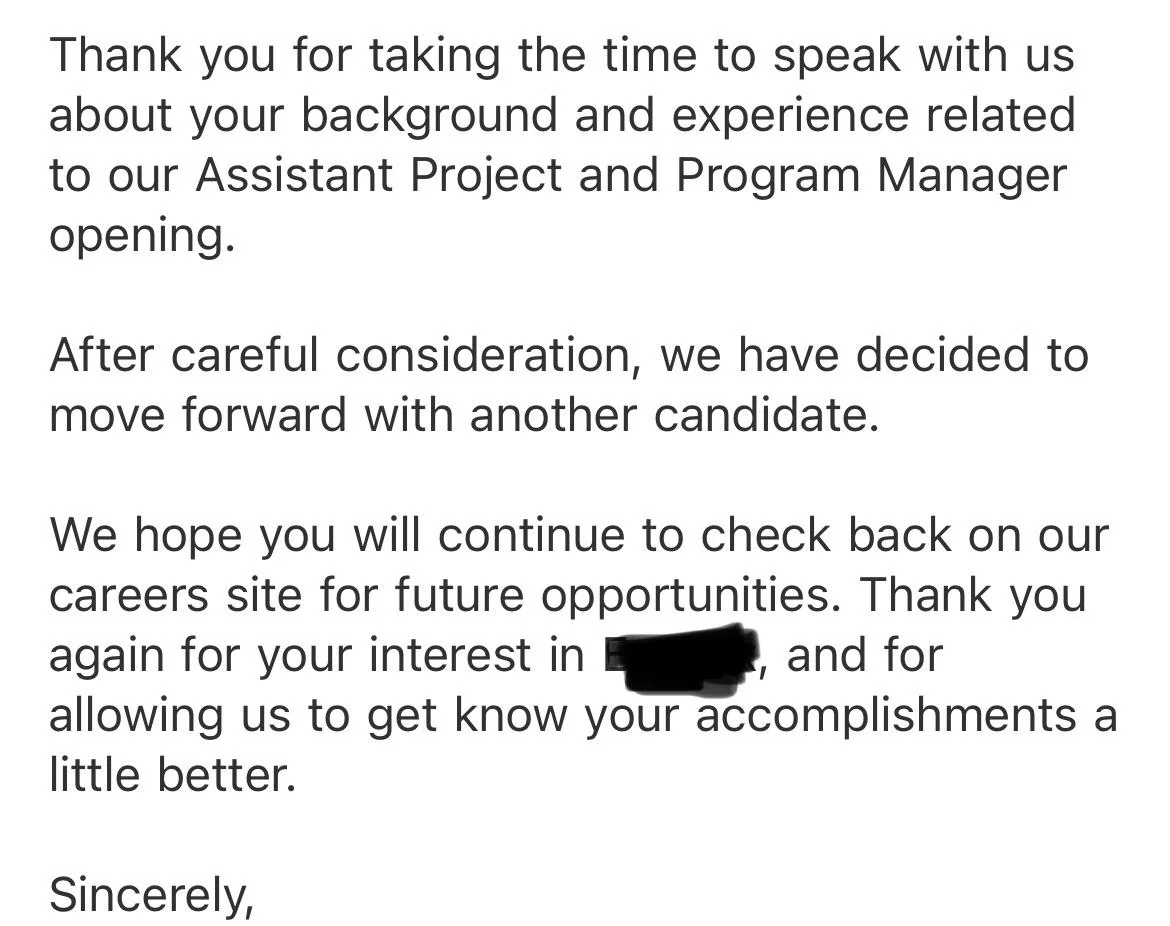
How to Ask for Constructive Feedback After a Job Rejection Email
A rejection email can sting, but it can also be a chance to learn what would make your next application stronger. The trick is to ask in a way that is easy to answer, respectful of time, and focused on practical next steps. Often, yes. You will not always get a reply, but a well-worded note can...
Read more →
Resume Action Verbs That Make Bullet Points Hit Harder
If your bullet points start with Responsible for , Helped with , or Worked on , you are not alone. Those phrases are safe, but they hide your impact. A strong action verb + a clear result helps hiring teams picture you doing the work, not just being nearby. A strong resume verb does one (or more)...
Read more →
Email Request for an Informational Interview (Templates Included)
An informational interview is a short, low-pressure conversation where you ask someone about their career path, role, or industry. You are not asking for a job. You are asking for perspective. That small difference makes your email feel respectful, clear, and easy to say yes to. A strong...
Read more →
Email Asking for More Time to Consider a Job Offer
Asking for a little more time to consider a job offer is common, and when you do it well, it signals professionalism, not hesitation. The secret is simple: respond promptly, show gratitude, be specific about how much time you need, and make it easy for the employer to say yes. Before typing a...
Read more →
How to Ask for a Professional Reference
Asking a former boss or professor to be your professional reference can feel a little wiggly, but it’s really just a polite, organized request. The secret is to make it easy for them to say yes and easy for them to speak well about you. A strong reference is less about job title and more about...
Read more →
Hobbies and Interests on a Resume
A hobbies and interests section can be a tiny resume superpower or a space-waster. The difference is simple: it only belongs if it supports your candidacy by reinforcing skills, culture fit, or credibility in a way your experience section cannot. Include hobbies and interests when they add...
Read more →
Cold Email Your Resume: Recruiter and Executive Examples
If the online application portal feels like a very tall wall, a well-written cold email can be a tidy little door, as long as your note stays short, specific, and easy for the reader to route or reply to. Cold emailing generally works best when it looks like you chose them for a reason, not because...
Read more →
Tailor Your Resume to the Job Description
When a job description feels oddly specific, it is because it is. Employers are telling you what they need, and many ATS setups and recruiters search for the same language when they scan applications. The goal is not to copy and paste the posting. The goal is to mirror the employer’s priorities...
Read more →
How to List Freelance and Contract Work on a Resume
Freelance, contract, and gig work can look wonderfully steady on a traditional resume when you group it thoughtfully, choose clear titles, and write bullets that spotlight outcomes. Your formatting choice should make two things instantly clear: (1) what you do, and (2) that you have consistent,...
Read more →
Resume Professional Summary: How to Write One That Gets Interviews
Let’s find exactly the right words to put, right at the top of your resume. A strong professional summary has largely replaced the old-school “objective” with something hiring managers actually want: a quick, keyword-rich snapshot of what you do, what you’re great at, and what results you can...
Read more →
Cover Letters When You Don’t Meet Every Requirement
If you have ever stared at a job posting and thought, “Whew, I have 7 out of 10 requirements,” you are not alone. Here is the secret: job requirements are often a wish list, not a locked door. Your cover letter’s job is to connect your strengths to their needs, show how you will ramp up on what you...
Read more →
Functional vs. Chronological Resumes
Resume format is not just a design choice. It is a storytelling choice. A chronological resume says, “Here is what I did, in order.” A functional resume says, “Here is what I can do, and here is proof.” Both can work. The best one depends on your career path, your target role, and how you want a...
Read more →
Overqualified? How to Address It in Your Cover Letter
If you have a lot of experience and you are applying for a role that looks "below" your level, hiring teams can get nervous for two common reasons: compensation and retention. Your cover letter is the perfect place to calmly answer both without sounding defensive. When a resume reads "senior,"...
Read more →
Relocation Cover Letter for Out-of-State Jobs
When you're applying from out of state, hiring teams often have one big, practical question behind the scenes: Will this person really move, and will it be smooth? A relocation cover letter answers that question without turning your application into a moving checklist. You will reassure them,...
Read more → Jot is the mouse with the pencil. Newer pages here go out under Jot's name; the old letters keep the dates they were first posted. Who is Jot?